With hybrid working now a permanent fixture in many organisations, ensuring workplace safety compliance remains a key responsibility for employers.
In the UK, employers have the same health and safety responsibilities for employees working from home as they do for those working in a traditional office, including conducting risk assessments, providing safe equipment and ensuring a safe working environment.
Employers should provide guidance and resources to help staff maintain an ergonomic workstation and safe working environment whether at home or in the office. Compliance measures such as DSE assessments can be carried out via a checklist or online system and any electrical equipment provided should be PAT Tested.
Key Compliance Services for Hybrid Workplaces
1. Display Screen Equipment (DSE) Assessments
Hybrid employees frequently transition between home and office setups, making DSE compliance essential. Under the Health and Safety (Display Screen Equipment) Regulations 1992, employers must:
Conduct DSE assessments for anyone using screens regularly in the workplace.
Ensure homeworkers complete DSE self-assessments and provide guidance on safe workstation setup.
Offer training and advice on correct ergonomics, including screen height, chair positioning and keyboard/mouse placement.
Provide necessary equipment such as ergonomic chairs, laptop stands or external keyboards where appropriate.
Reduce the risk of musculoskeletal disorders (MSDs), eye strain and fatigue for both on-site and remote workers.
2. PAT Testing and Electrical Safety
Even with fewer employees in the office at any given time, electrical safety remains a legal requirement. Under the Electricity at Work Regulations 1989, employers should:
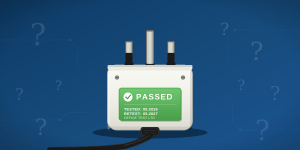
Conduct Portable Appliance Testing (PAT) to ensure the office and electrical equipment provided for employees’ homes is safe.
Identify hazards such as overloaded sockets, damaged cables and faulty wiring.
Reduce the risk of electrical fires and accidents in shared office spaces.
3. Fire Safety Compliance
With fluctuating office occupancy, fire safety measures must be regularly reviewed to ensure compliance with the Regulatory Reform (Fire Safety) Order 2005. Employers must:
Conduct fire risk assessments and ensure clear evacuation procedures.
Maintain fire alarms, extinguishers and emergency exits.
Adapt fire safety measures to accommodate changing office layouts and hybrid work patterns.
4. Legionella Risk Assessments
Hybrid working means some offices are occupied less frequently, increasing the risk of Legionella bacteria growth in stagnant water systems. Under the Health and Safety at Work Act 1974, businesses must:
Carry out regular Legionella risk assessments.
Flush infrequently used taps and water outlets.
Monitor water temperature to prevent bacterial growth.
5. Indoor Air Quality and Ventilation Checks
With more emphasis on workplace wellbeing, maintaining good air quality is a growing compliance concern. Employers should:
Monitor CO₂ levels and ventilation efficiency in office spaces.
Ensure air filtration systems are clean and well-maintained.
Reduce the spread of airborne contaminants, improving employee health and productivity.
Why These Services Matter
While hybrid working has changed how offices function, on-site compliance remains a legal requirement. Employers must take a proactive approach to ensure safe, ergonomic and legally compliant workplaces for their hybrid workforce.