As workplace regulations continue to evolve, staying compliant in 2026 will require more than a tick-box approach. Businesses are facing increasing expectations around safety, documentation, digital processes and accountability — making proactive compliance planning more important than ever.
To help you prepare, we’ve outlined the key compliance priorities for 2026 and how organisations can stay ahead while protecting their people and operations.
1. A Stronger Focus on Digital Compliance Management
In 2026, digital compliance will no longer be optional. Regulators, auditors and insurers increasingly expect accurate, accessible and up-to-date records — and manual systems often fall short.
Businesses should ensure that:
Compliance documentation is centrally stored and easy to access
Testing schedules, certificates and reports are clearly tracked
Responsibilities are clearly assigned and monitored
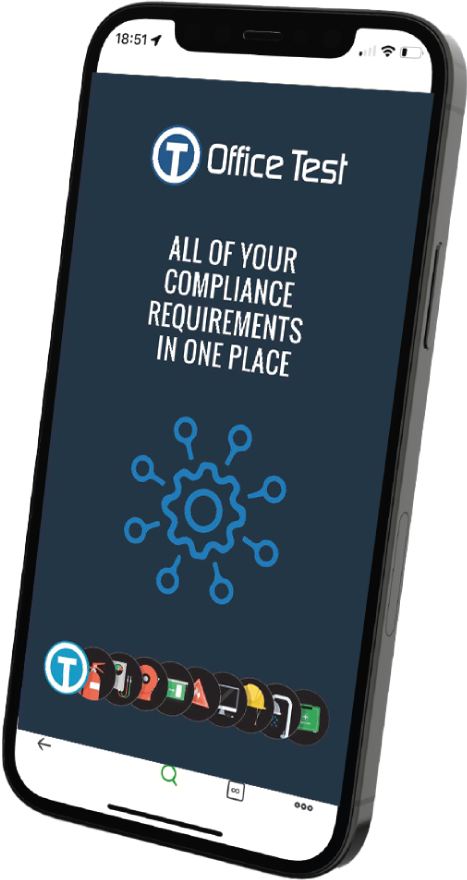
Digital platforms and client portals play a key role in reducing human error, improving visibility and ensuring nothing is missed.
2. Greater Emphasis on Preventative Maintenance
Reactive compliance is becoming a thing of the past. In 2026, there is a clear shift towards preventative maintenance — identifying risks early and addressing them before they become issues.
Regular testing, inspections and servicing not only help meet legal obligations, but also:
Reduce downtime and disruption
Improve safety for employees and visitors
Protect businesses from costly penalties and reputational damage
A proactive approach supports long-term compliance rather than last-minute fixes.
3. Increased Accountability for Duty Holders
Duty holders and responsible persons are under growing scrutiny. In 2026, businesses must be able to clearly demonstrate who is accountable for compliance and how responsibilities are managed.
This includes:
Clear role definitions
Evidence of completed testing and corrective actions
Regular reviews of compliance responsibilities
Having clear processes and reliable compliance partners helps duty holders stay confident and compliant.
4. Simplifying Compliance with One Trusted Partner
Managing multiple suppliers for different compliance services can lead to gaps, miscommunication and unnecessary complexity. In 2026, more organisations are choosing to bring all compliance services under one roof.
Working with a single compliance partner allows businesses to:
Streamline processes and reduce admin
Improve consistency across services
Gain a clearer overview of overall compliance status
A 360-degree compliance solution makes managing obligations simpler, more efficient and more reliable.
5. Staying Ahead Through Continuous Improvement
Compliance isn’t static — and neither are regulations. In 2026, successful organisations will be those that treat compliance as an ongoing process rather than a one-off task.
Regular reviews, updates to procedures and investment in technology will help businesses remain adaptable and prepared for future changes.
Final Thoughts
Compliance in 2026 is about visibility, accountability and simplicity. By embracing digital tools, working proactively and partnering with trusted compliance providers, businesses can reduce risk and focus on what matters most — running safe, efficient workplaces.
At Office Test, we continue to support organisations with comprehensive, reliable compliance services designed to meet today’s requirements and tomorrow’s challenges.
Find out more about how we can help you manage all your compliance under one roof.
Discover the benefits
of ONE compliance Provider
With Office Test, you can have all your compliance needs handled by one trusted provider
- QUICKLY RE-BOOK SERVICES
- View all your documents
- SIMPLIFIED MANAGEMENT
- STAY UPDATED
- SAVE TIME AND MONEY
- One sign-in platform
- DEDICATED ACCOUNT MANAGER
- EXPERT ADVICE AND CONSULTANCY